
Internal Logistics & Material Movement
Automate the repetitive internal move before automating the plant
Full warehouse automation is a capital programme. Most operations do not need one. They need a single repetitive transport loop — dock to staging, line to store, cage to consolidation — handled reliably, every shift.
The problem
Where internal transport erodes throughput
Manual internal movement is rarely tracked, so its cost sits hidden inside labour and equipment hours.
- Skilled operators spend hours on low-value transport between fixed points
- Forklift movements for routine loads carry avoidable safety exposure
- Throughput varies with who is on shift rather than with demand
- Large industrial floors go uncleaned because labour is prioritised to production
Our approach
How ERA approaches a logistics deployment
We scope one loop first: load type and weight, aisle widths, pickup and drop geometry, floor condition, traffic interaction and charging. A narrow, proven deployment earns the case for the next one far more effectively than a broad rollout that stalls.
Suitability
Where this works, and where it does not
Strong fit
- A high-frequency, repeatable route between defined points
- Consistent load types, weights and pallet or cage formats
- Aisle widths and floor condition suitable for autonomous navigation
- A site contact who can own exceptions during the first weeks
Needs closer assessment
- Constantly changing layouts or ad-hoc staging locations
- Highly variable load geometry or unstable loads
- Uneven, damaged or heavily contaminated floors
- Routes dominated by uncontrolled forklift traffic
Machines
Platforms we deploy for this work
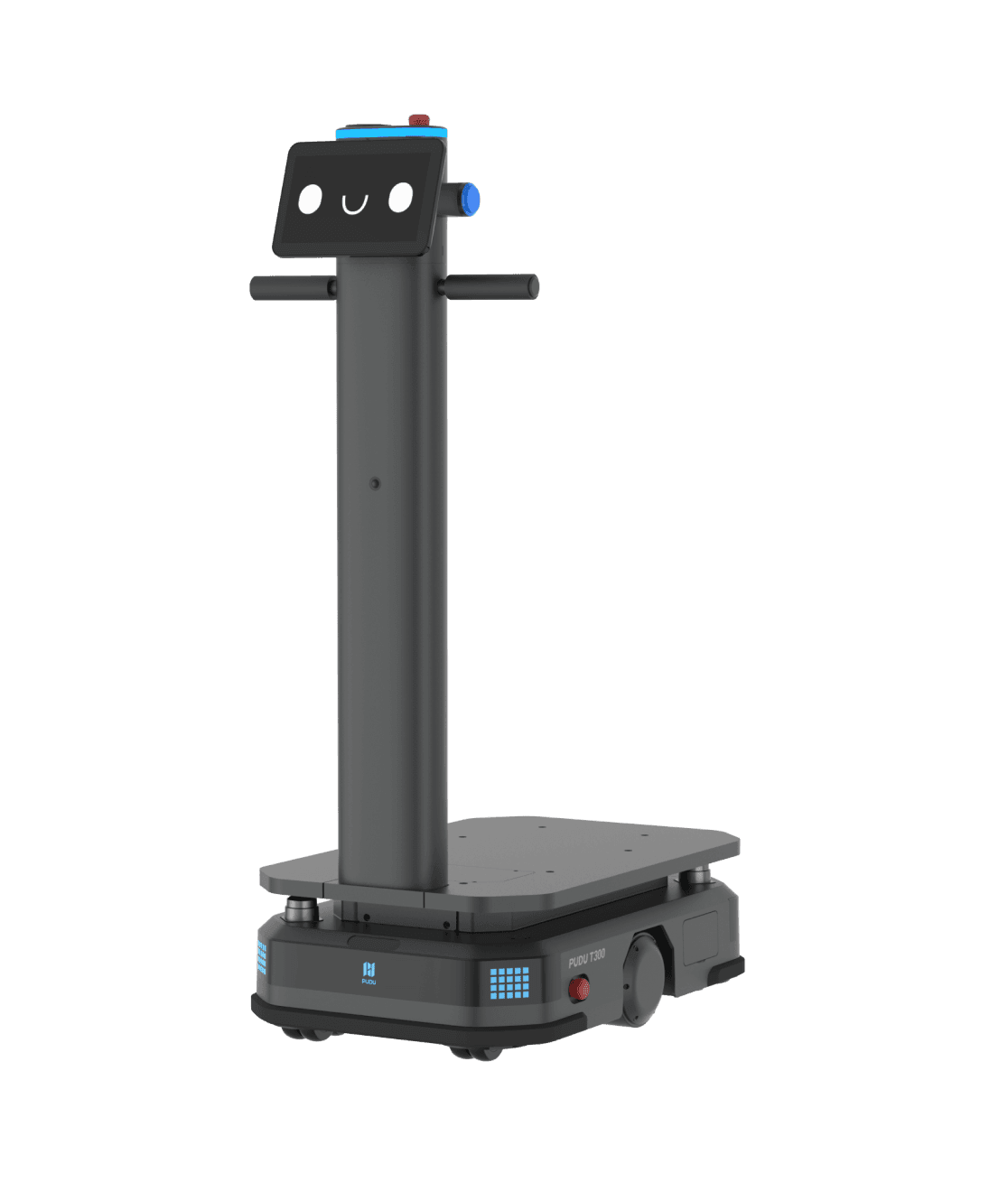
Industrial Delivery Robot
PUDU T300
Industrial delivery robot for warehouses and manufacturing internal transport.
from A$28,000
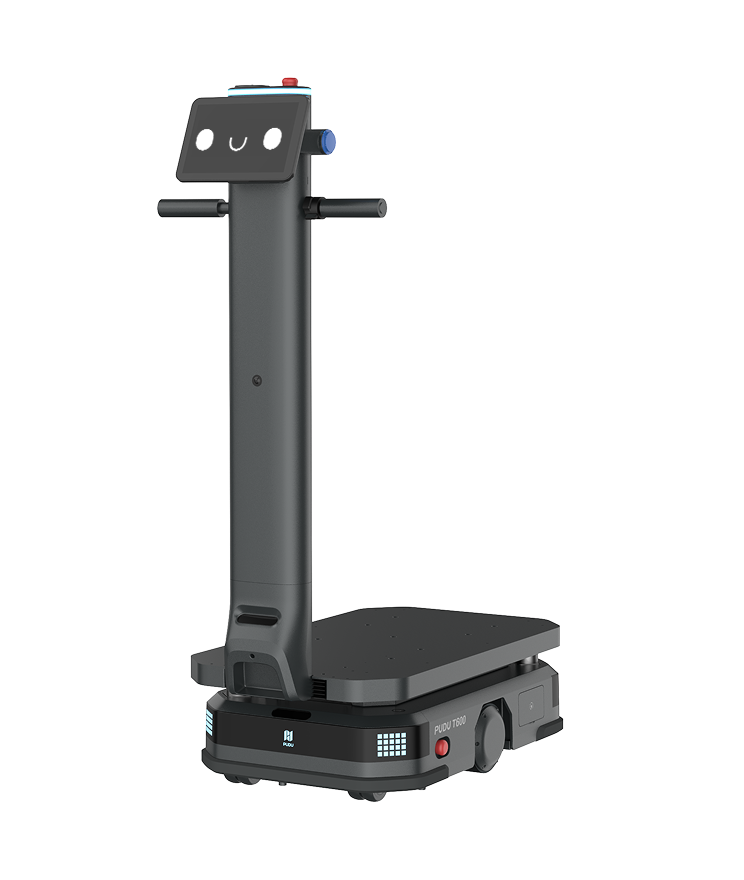
Industrial Delivery Robot
PUDU T600
Heavy-payload industrial delivery robot for demanding warehouse and manufacturing sites.
from A$35,000
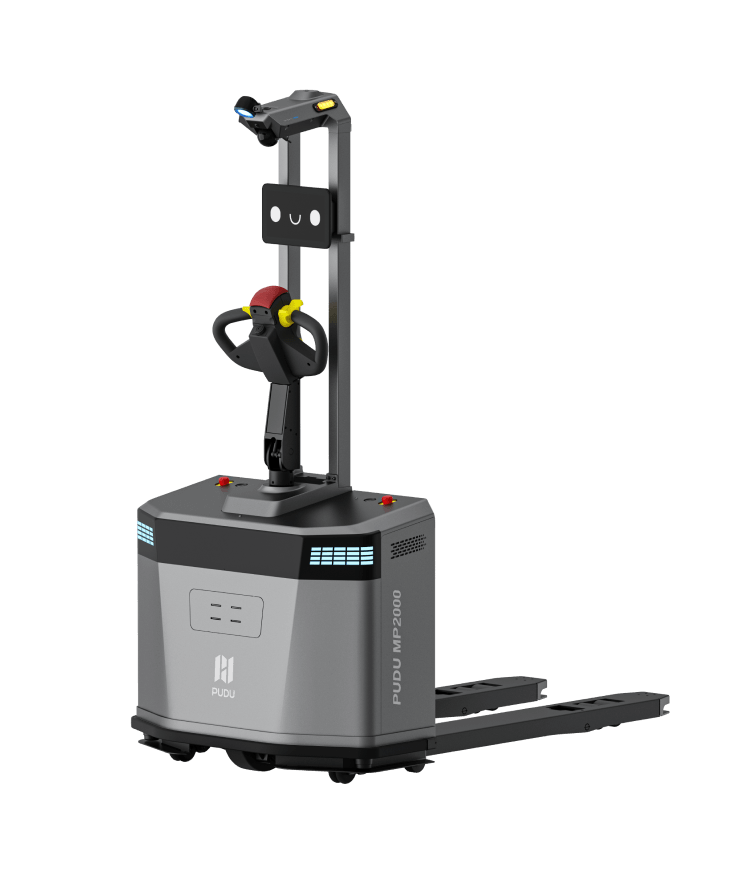
Industrial Delivery Robot
PUDU MP2000
AI-native pallet-handling AMR for 2,000 kg loads — 20-second fork insertion and 90° pickup in aisles as narrow as 2 m.
from A$38,000
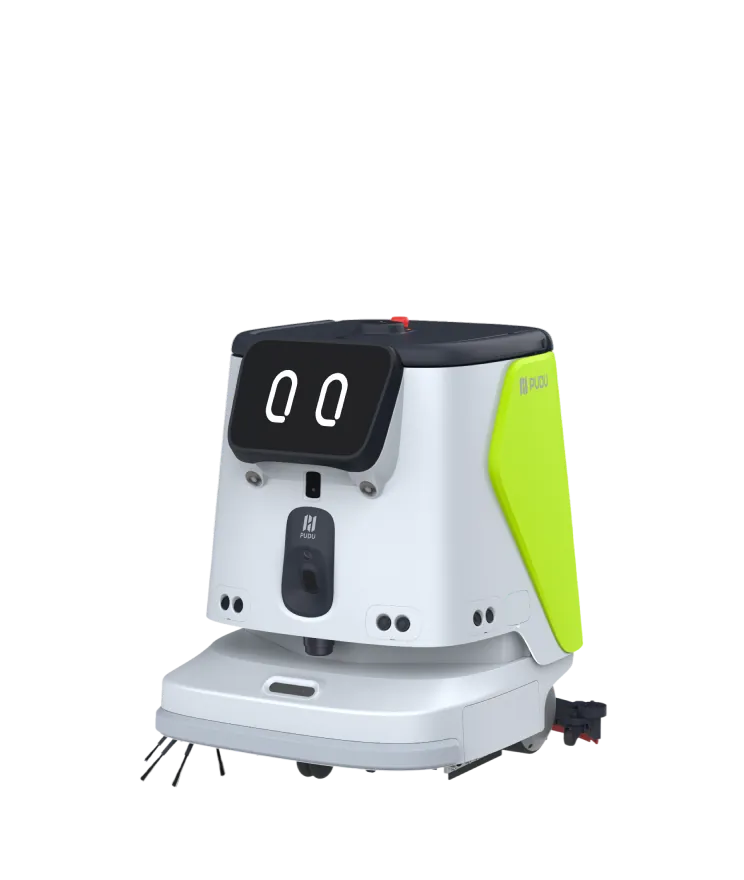
Commercial Cleaning Robot
PUDU CC1 Pro
Pro-grade 4-in-1 cleaning robot for larger and more demanding commercial environments.
from A$37,500
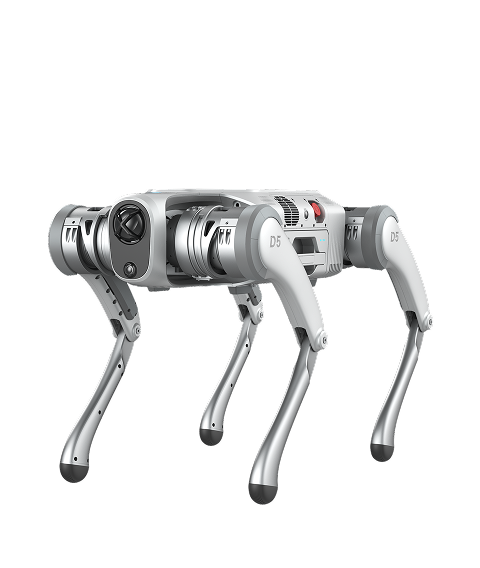
Industry-Grade Autonomous Quadruped Robot
PUDU D5 Series
NVIDIA-powered autonomous quadruped robot (D5 and D5-W) for inspection, security, logistics and rugged outdoor operations.
Price on request
Environments
Where we deploy it
Questions
Before you commit
Start with the building, not the brochure
A site assessment gives you a written view of what is viable, what it would cost and what would have to change. No obligation to proceed.