
Delivery & Hospitality Robotics
Delivery robotics for venues where walking distance is the real cost
In hospitality and care environments, staff spend a surprising share of every shift carrying things between two fixed points. That travel is repetitive, unskilled and relentless — and it is the part a robot handles well.
The problem
The problem is transit, not service
Service quality depends on attention at the table, the bedside or the counter. Every trip to the kitchen, store or laundry takes that attention away.
- Runners spend shifts walking fixed routes rather than serving guests or residents
- Peak periods create queues at the pass while staff are mid-route
- Heavy or awkward loads such as dish returns and linen cause fatigue and injury risk
- Recruitment for repetitive runner roles is persistently difficult
Our approach
How ERA approaches a delivery deployment
We map the actual routes staff walk, check clearances, door behaviour and lift integration, and test performance during genuine peak traffic rather than an empty mid-morning. Where a venue is too tight or too crowded, we say so before anything is ordered.
Suitability
Where this works, and where it does not
Strong fit
- Repeated trips between fixed points such as kitchen, bar, store or laundry
- Aisle and corridor widths that allow safe passing at peak
- Level floors, or lift access that can be integrated
- Staff willing to load and dispatch consistently
Needs closer assessment
- Very tight or frequently rearranged floor layouts
- Steps or thresholds on the primary route
- Environments where every delivery requires handover judgement
- Sites with no space for a charging dock on the service route
Machines
Platforms we deploy for this work
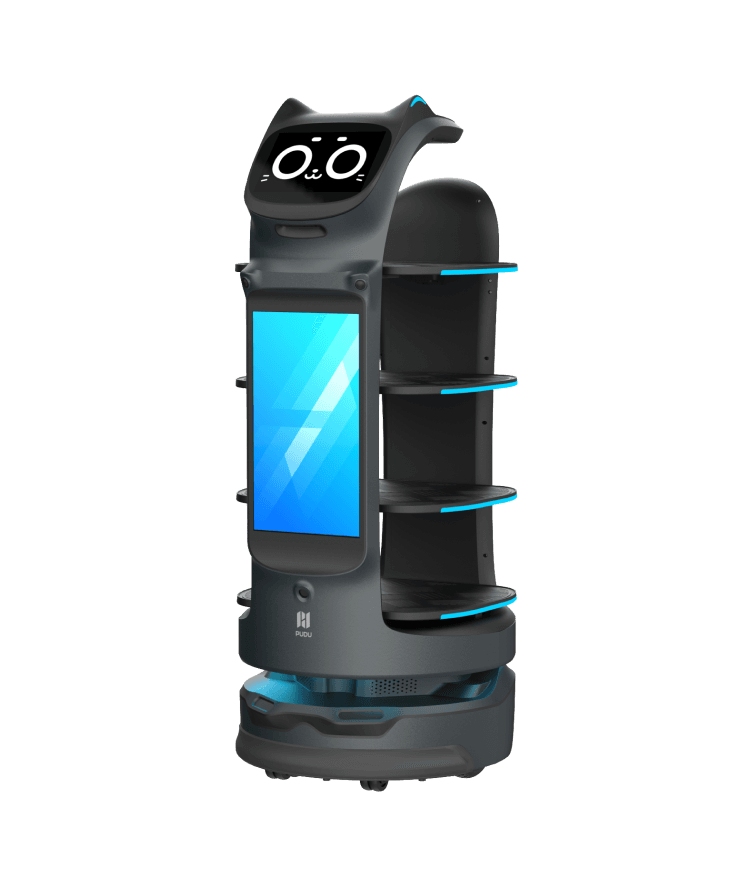
Commercial Delivery Robot
BellaBot Pro
Multi-tray delivery robot for restaurants, hotels and front-of-house service.
from A$21,000
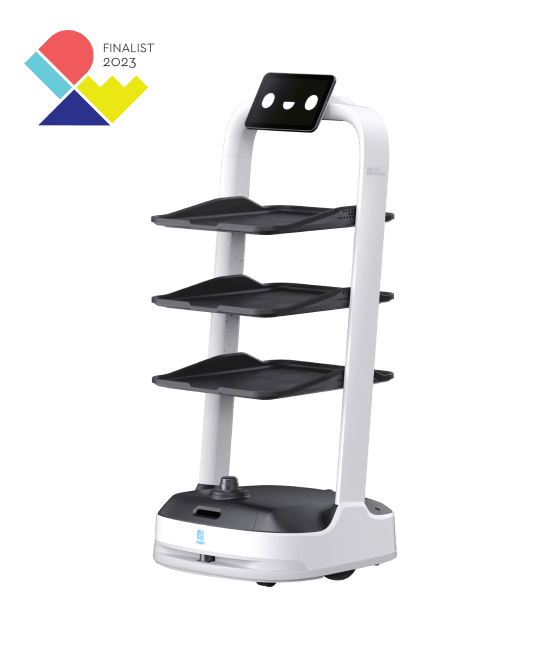
Commercial Delivery Robot
PuduBot 2
Versatile indoor delivery robot for back-of-house workflows and internal logistics.
from A$14,990
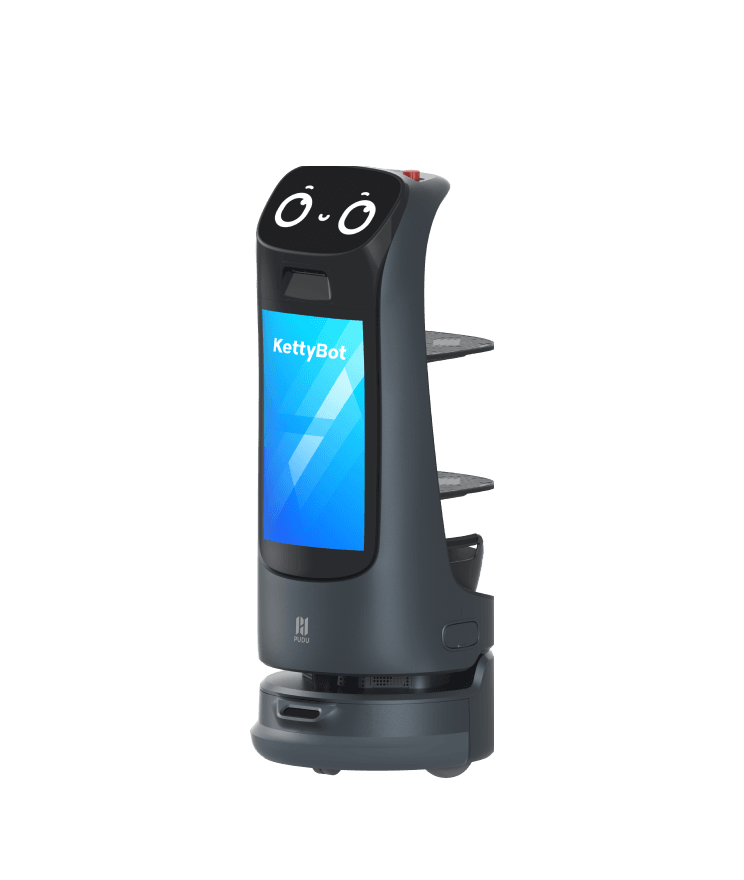
Commercial Delivery Robot
KettyBot Pro
Greeter and delivery robot for restaurants, retail and customer-facing environments.
from A$16,990
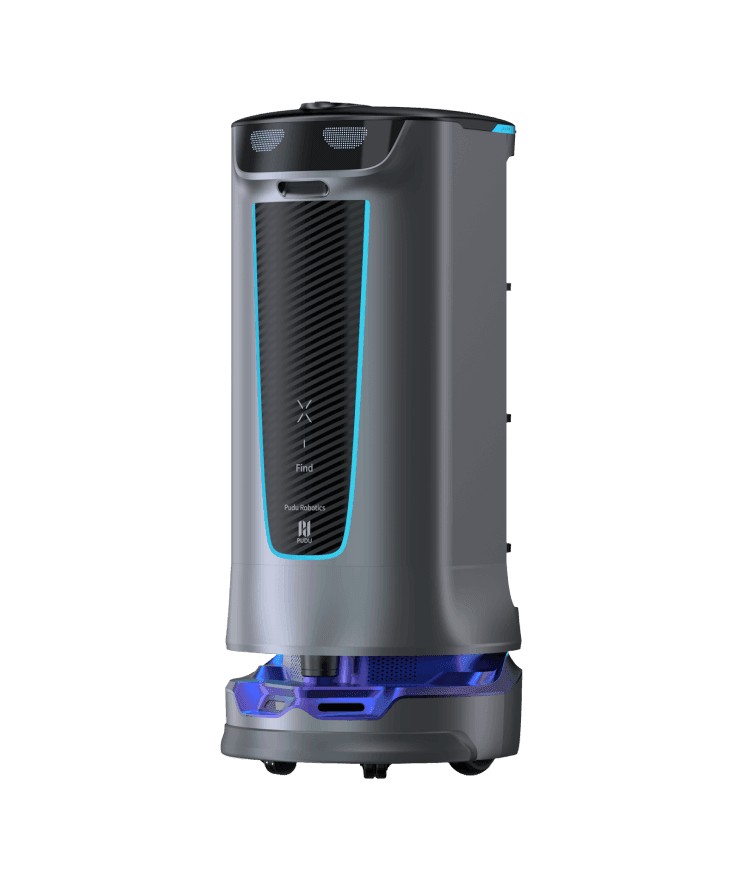
Commercial Delivery Robot
HolaBot
Heavy-duty bussing robot for high-volume dish return and back-of-house workflows.
from A$21,000
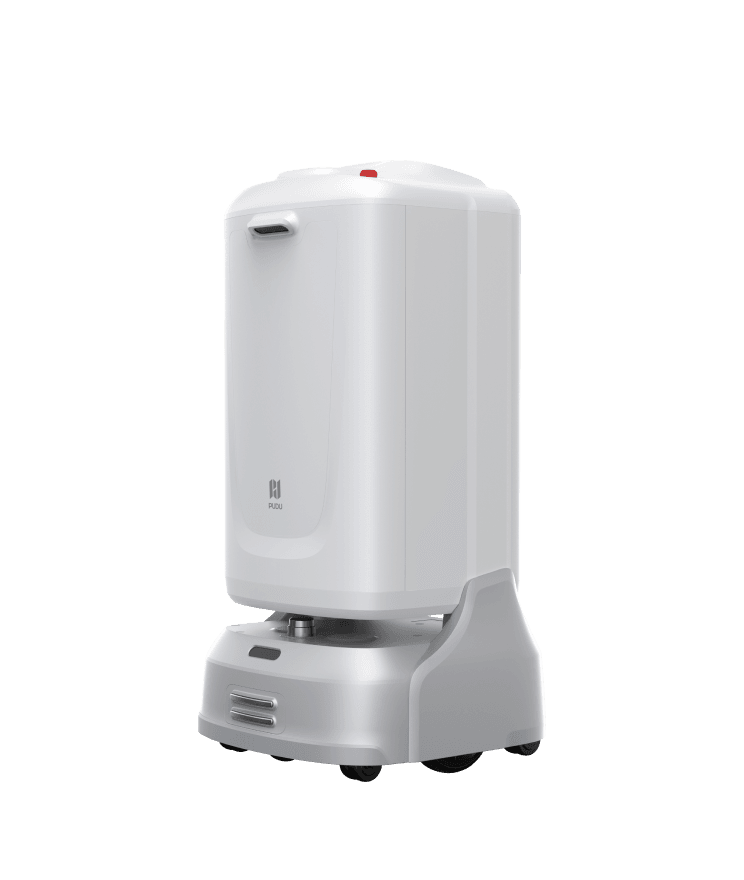
Autonomous Delivery Robot
FlashBot Max
Multi-floor autonomous delivery robot for hotels, hospitals and large facilities — integrates with lifts and access control.
from A$28,000
Environments
Where we deploy it
Questions
Before you commit
Start with the building, not the brochure
A site assessment gives you a written view of what is viable, what it would cost and what would have to change. No obligation to proceed.