
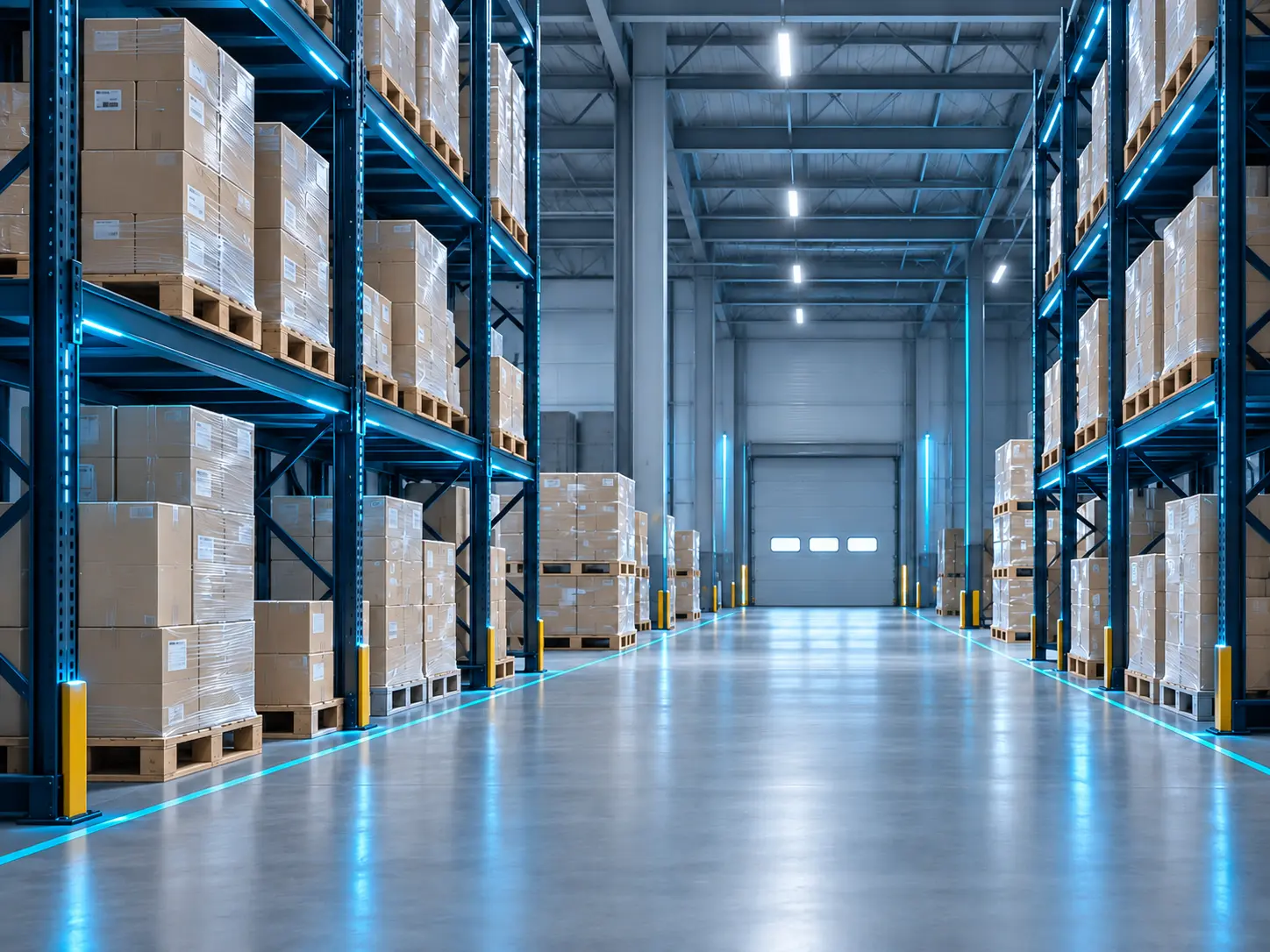
Warehousing
Pallet, tote and trolley movement between receiving, picking, packing and dispatch. AMRs take over the repetitive transport legs so pickers stay in their zones and throughput stays consistent across shifts.
Where industrial robots work
Throughput depends on aisle geometry, floor condition and how predictable the route is. Explore common environments, then let ERA validate the flow.
Pallet, tote and trolley movement between receiving, picking, packing and dispatch. AMRs take over the repetitive transport legs so pickers stay in their zones and throughput stays consistent across shifts.
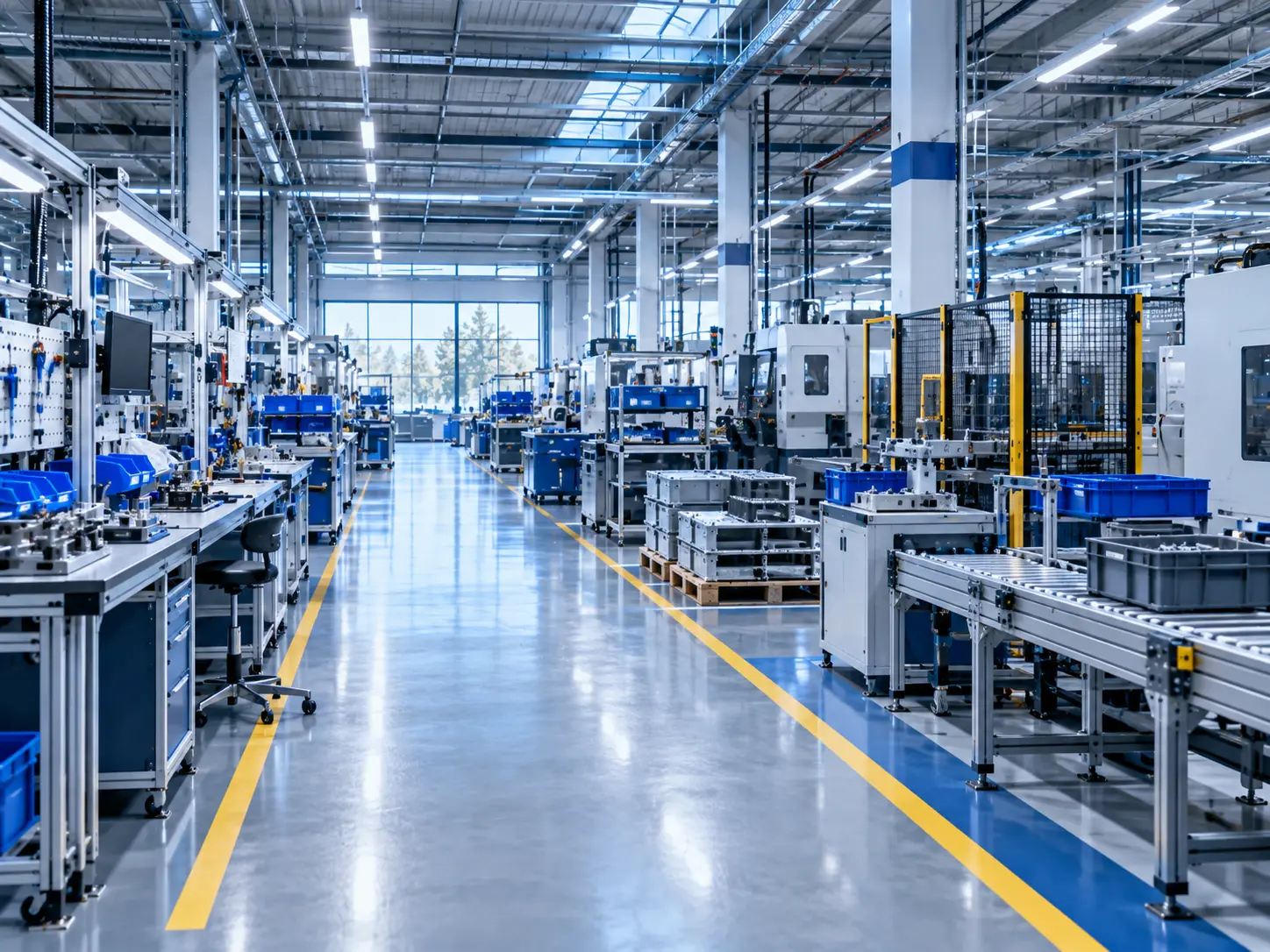
Line-side delivery of parts, consumables and work-in-progress on scheduled routes. Robots keep production fed without forklift congestion, and re-route automatically around people and obstacles.
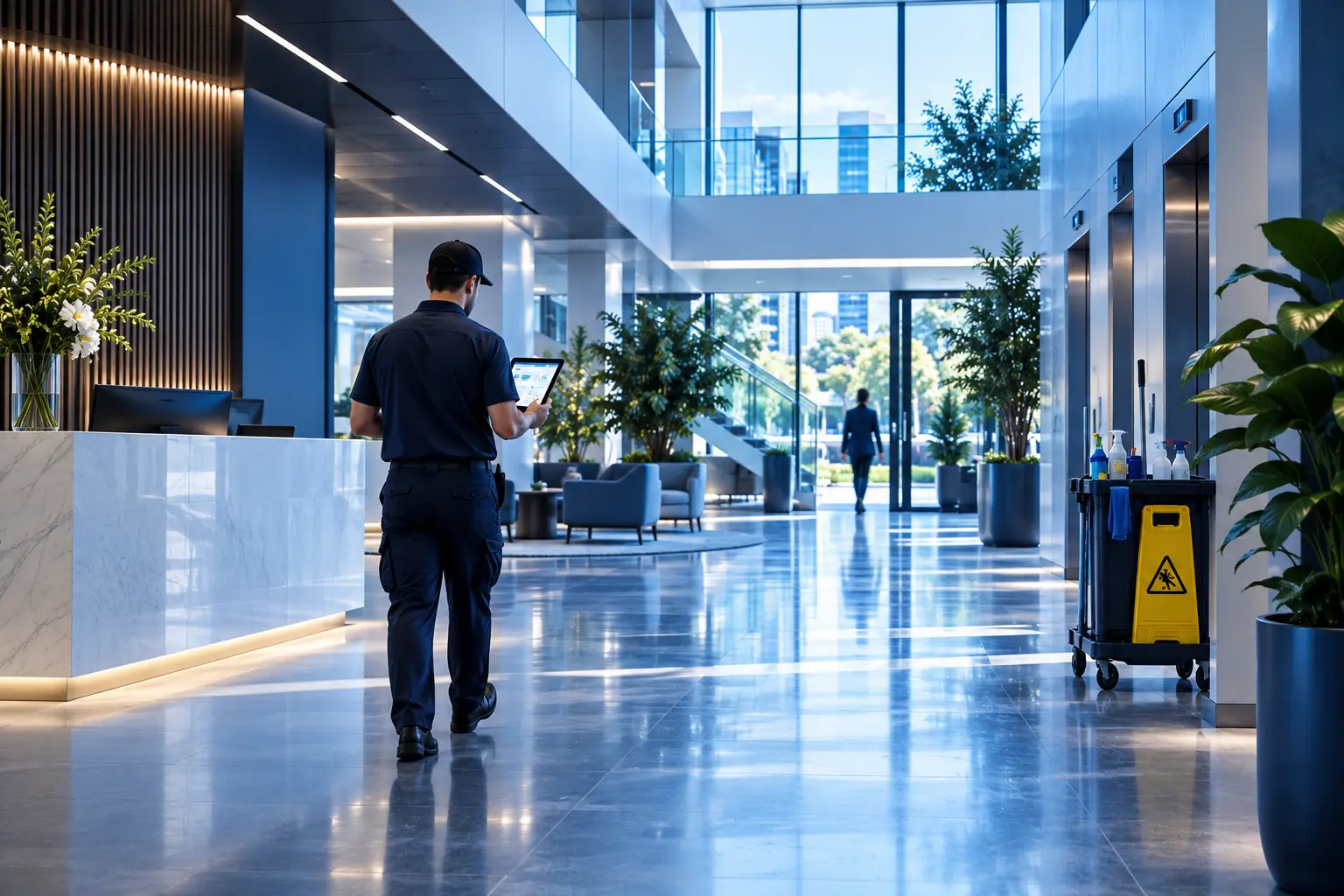
Standardised transport between dock doors, staging lanes and put-away areas. Repeatable autonomous runs make service levels predictable across clients, contracts and peak seasons.
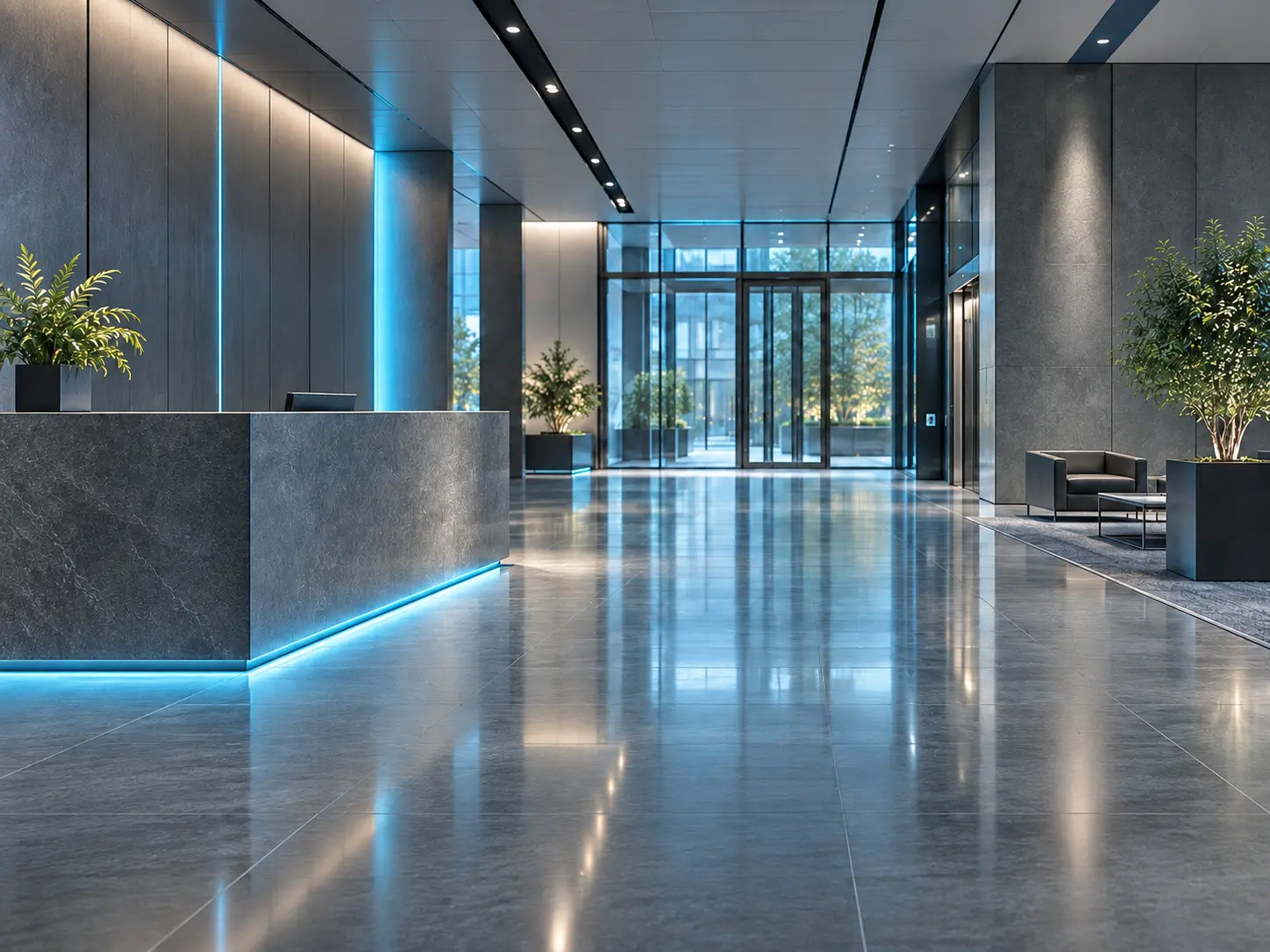
Continuous movement between levels, buildings and storerooms where routes never stop. Heavy-payload models handle the full pallets while compact units cover the tighter internal shuttles.
Compare the range
Start with what moves, how heavy it is and how wide the aisles are. ERA validates the final fit on site.
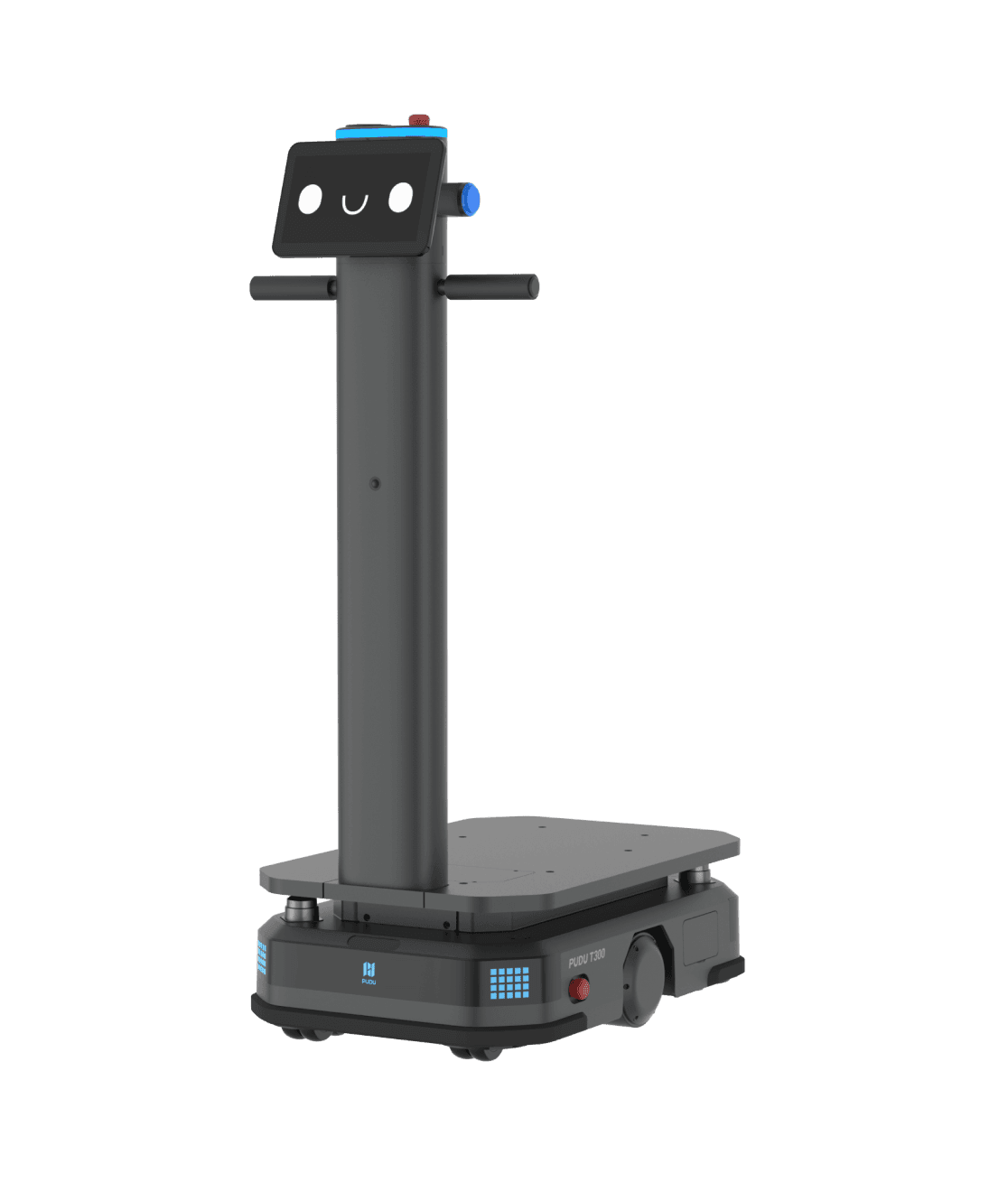
Internal transport AMR
Totes, trolleys and parts moved between picking, packing and dispatch on mapped routes.
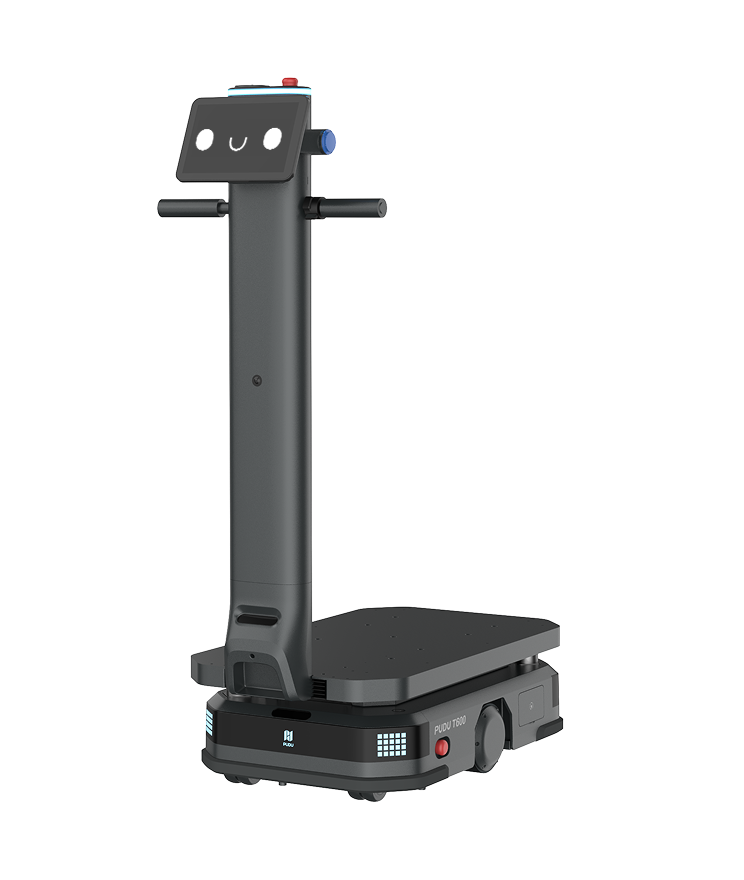
Heavy material mover
Higher-payload transport and rack handoff for busy warehouse and production floors.
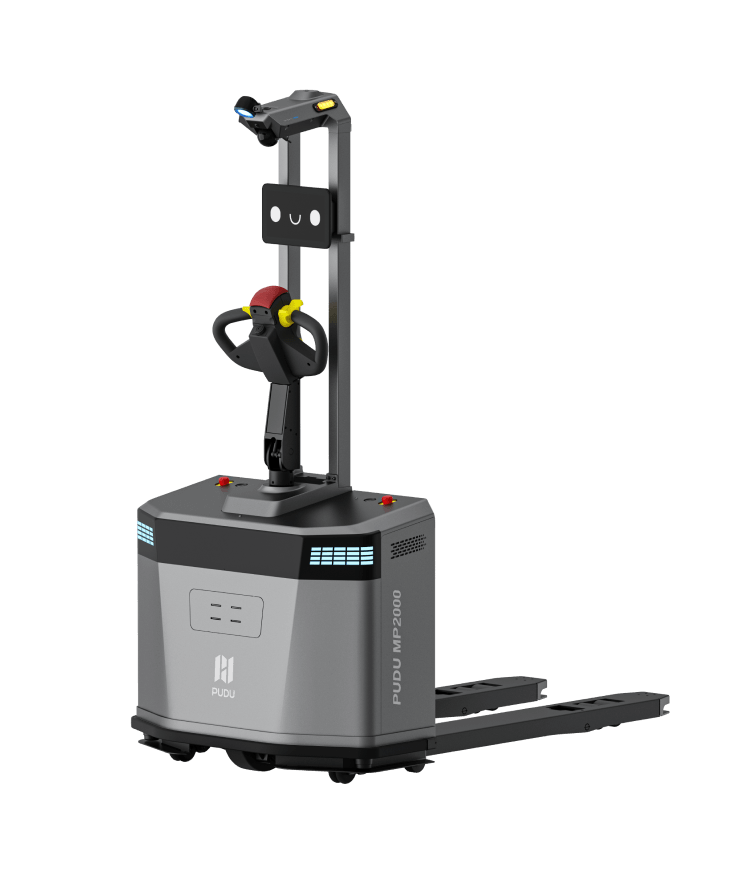
Pallet handling AMR
Full-pallet movement with fast fork insertion and adaptive pallet alignment.
Final suitability depends on floor condition, aisle width, traffic and integration requirements.
Discuss your facilityComplete PUDU range
From tote and trolley transport to full-pallet movement. Compare the shortlist above or inspect every model below.
Industrial Delivery RobotIndustrial delivery robot for warehouses and manufacturing internal transport.
Industrial Delivery RobotHeavy-payload industrial delivery robot for demanding warehouse and manufacturing sites.
Industrial Delivery RobotAI-native pallet-handling AMR for 2,000 kg loads — 20-second fork insertion and 90° pickup in aisles as narrow as 2 m.
Match the robot type to the load and how it is picked up.
Indicative pricing in AUD. Final quote subject to site assessment and approval.
Flexible purchase and lease structures are available by model.
Use this before a site assessment to scope quickly.
Not sure where to start?
ERA will narrow the range, assess aisle and integration constraints and explain the implementation work before you commit.