
News · Customer perspective
BellaBot hospitality robot: more than three years in service
A conversation at Fine Food Australia brought the discussion back to everyday service: the distance between the kitchen and tables, staff time and guest reactions.
By ERA Robotics ·
Watch the BellaBot interview
ERA Robotics interview at Fine Food Australia. View the original post on LinkedIn .
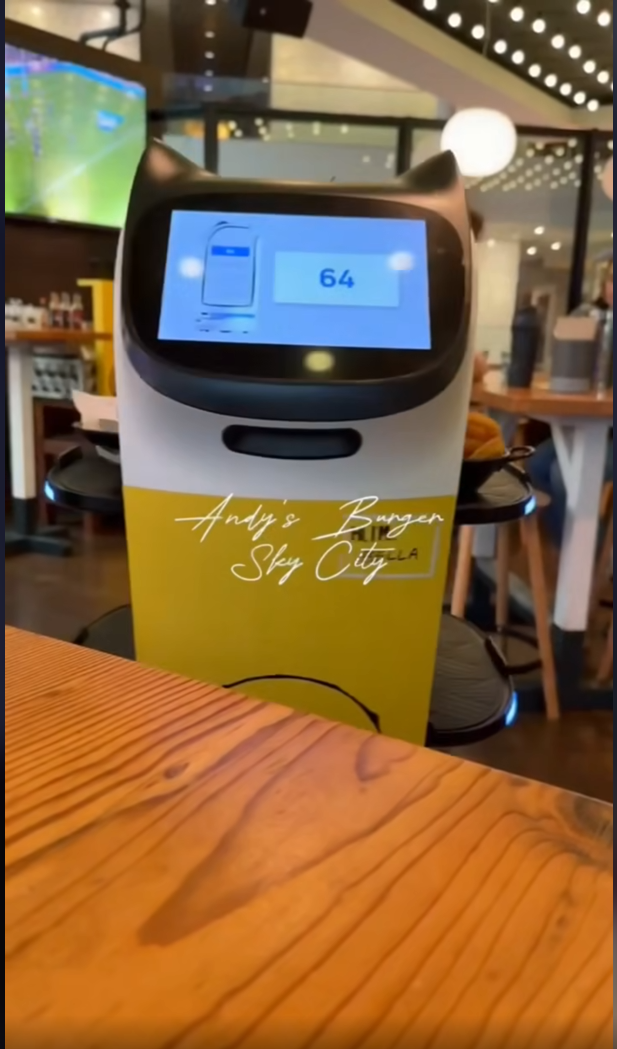
What does a hospitality delivery robot contribute after the initial curiosity has passed? At Fine Food Australia in Melbourne, ERA Robotics shared a conversation with Russell Le Comte of SkyCity Entertainment Group about more than three years of using the original PUDU BellaBot.
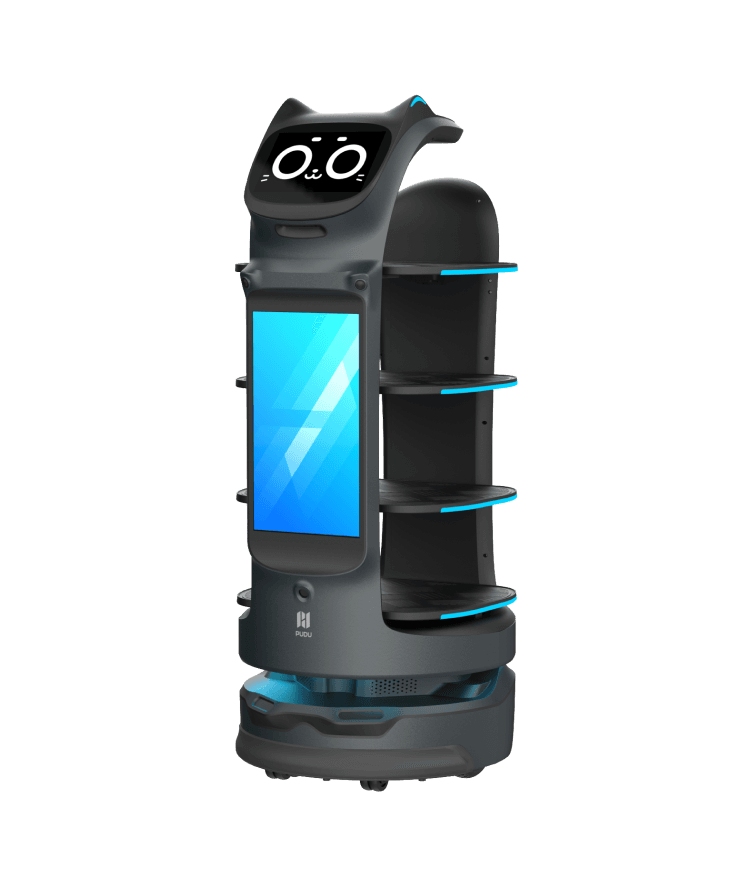
The discussion focused on a practical part of restaurant service: moving food between the kitchen and the dining area. The original BellaBot shown in the interview is distinct from the newer BellaBot Pro available through ERA Robotics.
A familiar challenge: the distance between kitchen and tables
During the interview, Russell estimated the distance between the kitchen and tables at roughly 50 metres. He agreed that reducing repeated walking could help staff remain more available to guests.
He also described positive reactions to the robots, particularly from children. His account brought together two different considerations for an operator: how a robot fits into the service routine and how customers respond to its presence.
These are observations from an interview, not a measured productivity study. They should not be read as a guaranteed saving or a prediction of results at another venue.
Look at the journey, not just the robot
For a hospitality team considering automation, the useful starting point is a map of one repeated journey. Where are items loaded? Where do they need to arrive? How often does that movement happen during a typical service?
Consider the work at both ends. Someone needs to prepare the load, initiate or manage the task and complete the handover. A route that looks useful in isolation may be less useful when the loading and unloading arrangements are unclear.
The original PUDU BellaBot is a tray-based delivery robot designed to navigate a configured environment. It is not a substitute for defining who does what in the service process. For an ERA-supported product available today, see BellaBot Pro and compare the broader delivery robot range.
Decide what staff should be able to do differently
Before a trial, agree on the operational objective. That might be reducing repeated transport trips, helping staff remain in an allocated service area or maintaining a more orderly flow between the kitchen and the floor.
Choose observations that can be checked during service: the number of trips assigned to the robot, interventions required, time spent at loading and collection points, and whether the expected staff activity actually changes.
Avoid treating the robot's movement time as equivalent to labour saved. The relevant comparison is the complete workflow.
Keep guest experience in the assessment
Russell's comments provide one example of a positive guest response, but each venue should assess its own setting. Consider where the robot will travel, how it interacts with queues and tables, and whether its presence suits the service experience you want to deliver.
Give staff a clear role in introducing and managing the technology. A successful trial should make sense to the people working around it, not only to the person approving the purchase.
Put long-term questions into the first trial
Ask who will train new staff, look after routine cleaning and charging, and deal with an interrupted task. Review how route changes, furniture layouts and busy periods will be handled.
A long-term customer perspective is valuable because it moves the discussion beyond a showroom demonstration. The next step is to test what is relevant to your own operation.
Exploring delivery robotics for your venue?
Talk to ERA Robotics about the journeys your team repeats every day. Explore hospitality applications or compare the delivery robot range.